
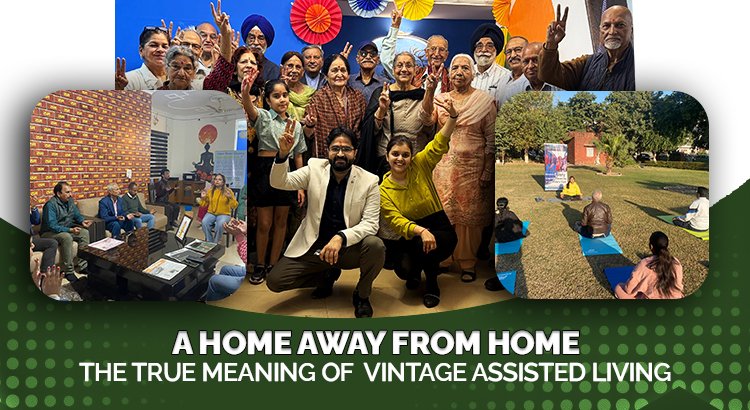
Aging is not just about medical needs — it’s about comfort, belonging, dignity, and emotional security. For many families, the biggest fear about assisted living is that it may feel “institutional” or impersonal.
But vintage assisted living is changing that perception.
It blends professional senior care with warmth, familiarity, and thoughtfully designed spaces — creating an environment that feels like home rather than a facility.
Let’s explore why.
1. Designed Like a Home, Not a Hospital
Traditional facilities often prioritize function over feeling. Vintage assisted living communities focus on:
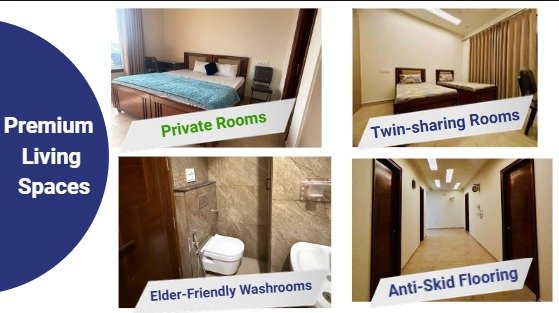
- Warm lighting and soft interiors
- Comfortable lounges and personal living spaces
- Classic décor with homely furniture
- Private or semi-private rooms with personalization options
Residents are encouraged to bring personal belongings — photos, favorite chairs, books — turning their space into a true extension of their life story.
Result?
Comfort replaces clinical coldness.2. Relationships Over Routine
In a hospital, systems run on schedules. In a home, life flows around people.
Vintage assisted living prioritizes:
- Personalized daily routines
- Meaningful conversations
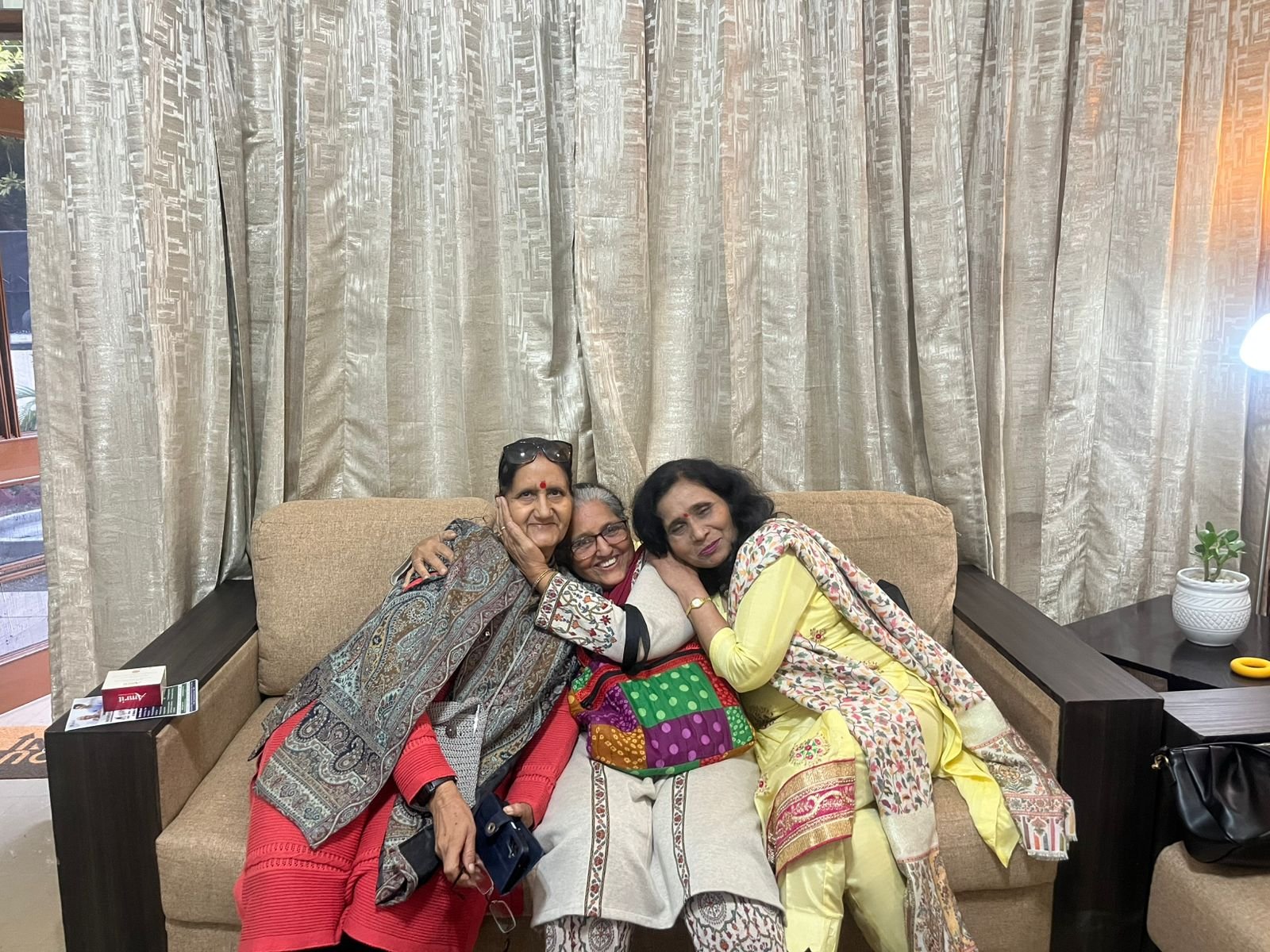
- Emotional companionship
- Celebrating birthdays, festivals, and milestones
Caregivers are trained not only to assist with daily activities but to build genuine human connections. The goal is not just supervision — it’s companionship.
Food connects us to memories and culture. Unlike institutional meal services, vintage assisted living offers:- Freshly prepared, home-style meals
- Diet plans tailored to medical conditions
- Communal dining that encourages bonding
- Cultural and festive food celebrations
Mealtime becomes a social experience — not just nutrition.
3. Independence with Support
One of the biggest emotional challenges seniors face is the fear of losing independence.
Vintage assisted living is designed to balance:
- Freedom of movement
- Privacy
- Assistance with daily activities
• 24/7 medical and emergency support
Residents can participate in hobbies, morning walks, reading sessions, spiritual activities, and group engagements — while knowing help is always available.
It feels empowering rather than restrictive.4. Peace of Mind for Families
For families — especially working professionals or NRI children — vintage assisted living provides reassurance:
• Trained caregivers on-site
• Regular health monitoring
• Transparent communication
• Safe, secure premises
Instead of worrying about isolation or medical emergencies, families can focus on spending quality time with their loved ones.
6. A Community, Not a Corridor
Loneliness is one of the biggest health risks for seniors. Vintage assisted living communities encourage:
• Group activities
• Yoga and wellness programs
• Music and art therapy
• Gardening and hobby clubs
• Spiritual and cultural gatherings
It transforms daily living into community living — where friendships flourish.
________________________________________The Emotional Difference
At its heart, vintage assisted living understands one truth:
Seniors don’t just need care — they need belonging.
By combining hospitality-style comfort with professional healthcare support, it creates an environment where aging feels graceful, respected, and meaningful.
________________________________________Final Thoughts
Choosing assisted living is not about “sending someone away.”
It’s about ensuring they live in a space that nurtures their health, happiness, and dignity.Vintage assisted living feels like home because it is built on warmth, respect, and human connection — not just services.
If you are exploring senior care options for your loved one, consider a community that offers not only assistance but also a sense of belonging.
Because growing older should never mean growing alone

